
 Video
Video
Key facts

(Photo: Refugees at Dorohusk in Poland fleeing from Russia’s invasion of Ukraine. Credit: Tom Remp.)

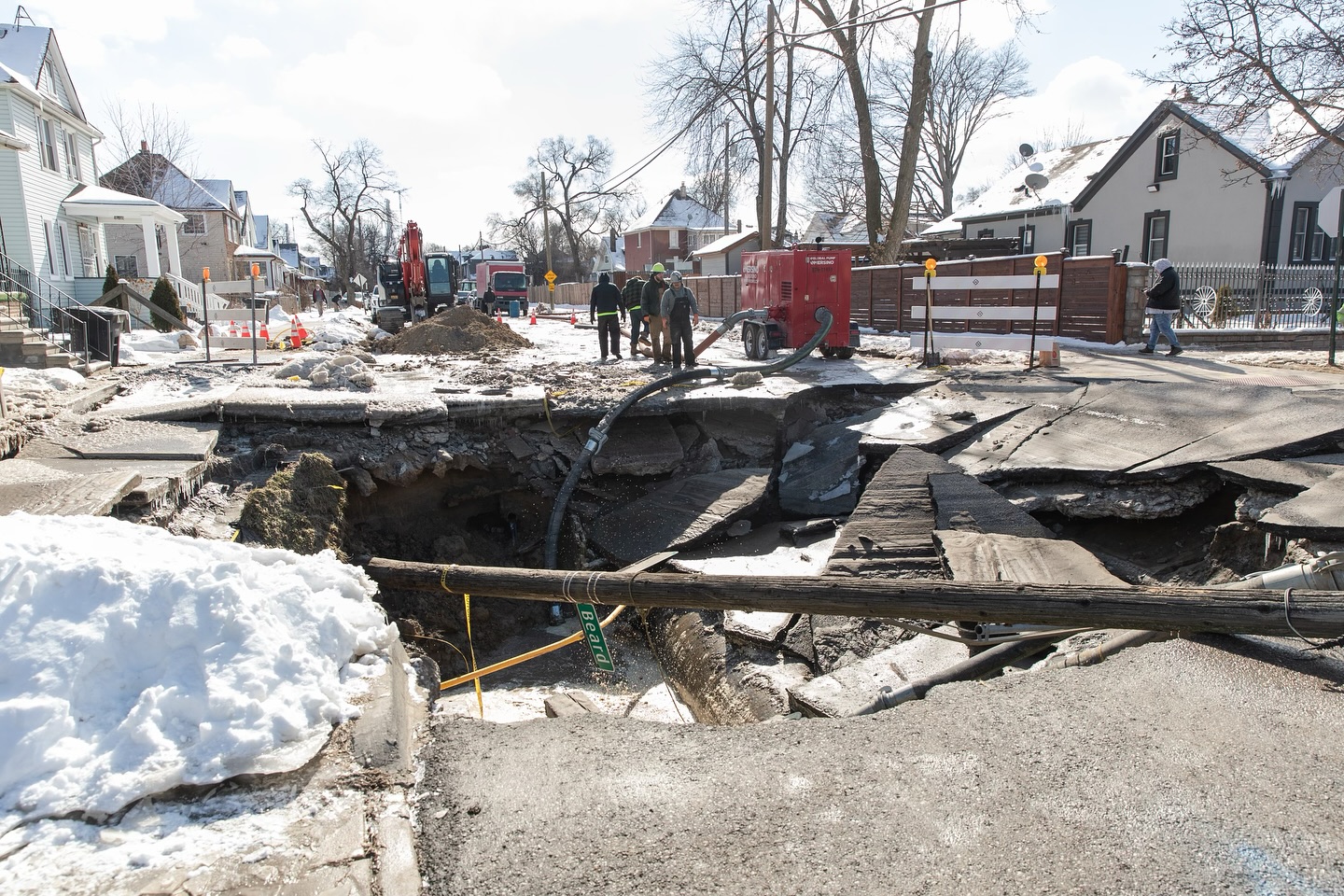
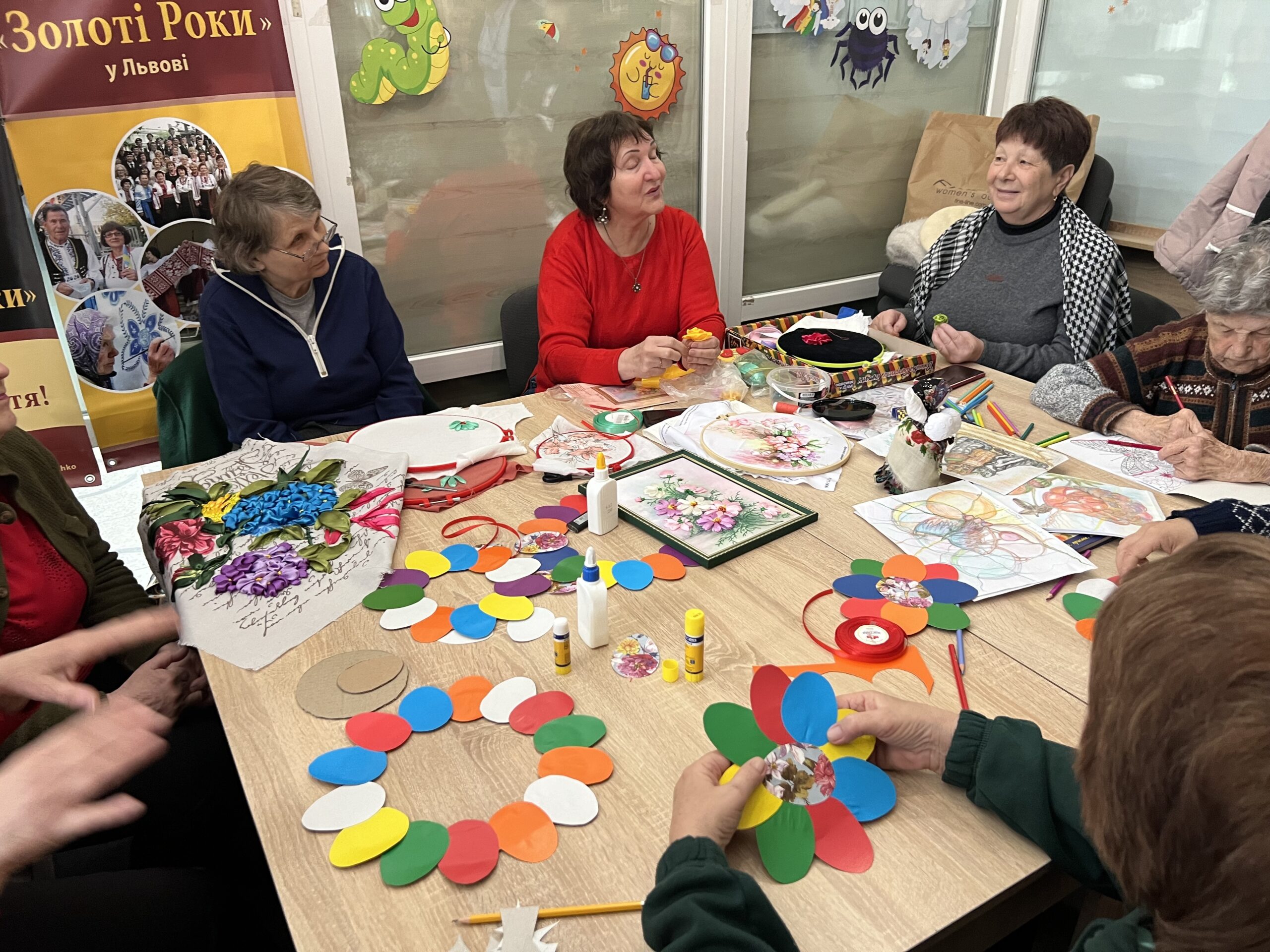
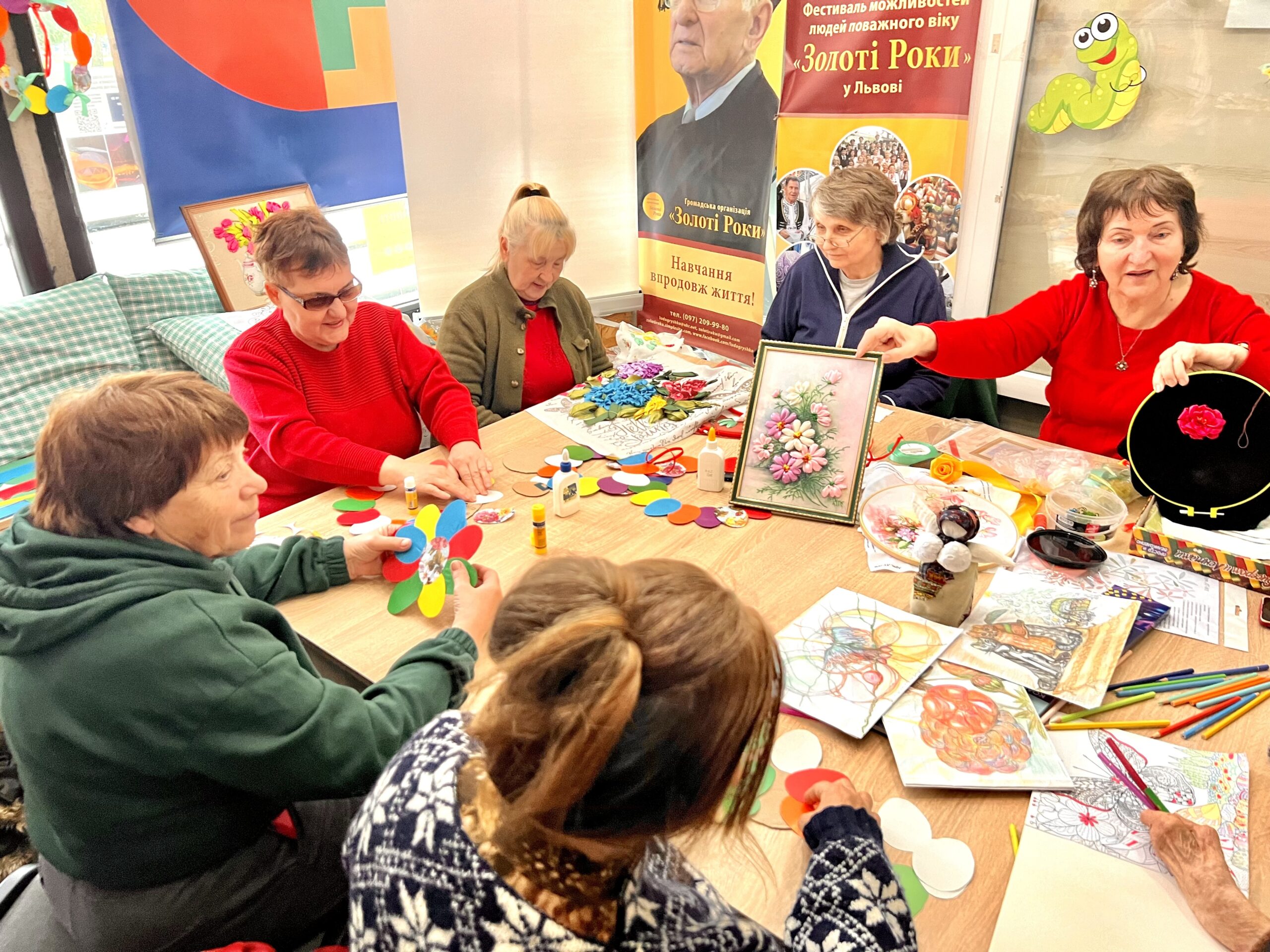

The escalating use of explosives in populated areas has had a disproportionate effect on children, people with disabilities and older adults. Explosives have devastated essential infrastructure, including homes, hospitals, schools and energy infrastructure. The World Health Organization has reported 2,477 attacks on health care facilities.
Household poverty has increased by 15% over the past three years. Nearly one-third of the population lives in poverty, including 70% of children.
UNICEF said that, “the combination of rising poverty and harsh winter conditions significantly increases risks to children’s health and well-being, with one in five families reporting health problems linked to cold indoor temperatures.”
Exposure to conflict is cited as the most prevalent risk to children. Even if children can access shelters, the shelters may not be safe. They are often in dark, cold, wet basements; they smell of sewage and lack basic sanitation.
Women and children comprise approximately 90% of people displaced by the crisis, making them vulnerable to sexual exploitation, human trafficking and gender-based violence.
Education has been severely disrupted. At least 4.6 million children face significant barriers to education since the war began in 2022 on the heels of the Covid-19 pandemic. An estimated one million children lack access to in-person learning. Although nearly 75% of children access remote schooling inside Ukraine, frequent disruptions to internet connectivity, electricity, or a lack of hardware make it unsuitable as a long-term solution. With these disruptions, students are losing between 60 to 160 hours of learning per month.
Children living closer to the frontline rely more heavily on remote learning while simultaneously facing greater disruptions. Many schools have also shuttered because they were damaged, destroyed or lacked secure bomb shelters.
And even if children attend school, the mental and emotional toll of living through war has a disastrous effect on learning.
“It is very difficult emotionally and morally. Periodic air raids, blackouts, lack of internet… Children are afraid,” a teacher in the Lviv region said. The downstream effects of disrupted education in children have enormous consequences for their prospects and the future of Ukrainian society.
Children with disabilities face additional systemic barriers. Save the Children reports a lack of adapted facilities, such as ramps, restrooms, and classrooms, in almost all regions, making physical access to education challenging for children with disabilities. There is also a lack of specialists and teachers to cater to the specific needs of these children.
The effects of war on women are catastrophic. In Ukraine, women are 72% of unemployed people; they face a heightened risk of human trafficking, sexual and physical violence.
Women account for 60% of internally displaced people, as well as the greatest proportion of refugees. Yet, protections and aid for women and girls remain underfunded.
Women often lack resources, face barriers to accessing services and are vulnerable to gender-based violence (GBV).
According to UNFPA, “…The growing sense of insecurity in public spaces limits women’s mobility, hinders their ability to seek help in an already unstable environment, and forces women at risk of violence to remain at home, in proximity to their abusers. Across Ukraine, women have reported difficulty in speaking out against intimate partner violence, especially when men returning from war are hailed as heroes within their communities.”
Women-led organizations in Ukraine serve as critical refuges for women and girls affected by violence, offering health services, shelter, counseling and legal aid. However, the growing global backlash against women’s rights and a decrease in humanitarian aid funding means that many of these spaces are closing, leaving the 2.4 million women and girls in Ukraine at risk of gender-based violence even more vulnerable.
Many older people and persons with disabilities risk being trapped in high‑rise buildings without reliable electricity, heating or water.
People with chronic illnesses that require continuous care, those with disabilities, and those with mental/behavioral disorders are less able to flee the conflict. Many face unmet needs for medications and medical assistance, which require establishing mobile teams. These populations have challenges meeting their basic daily needs and must rely on family and friends for help.
Impact story
Humanitarian aid workers face an increasing risk to their safety, and humanitarian aid is having more difficulty reaching those in need due to military activity. Violence against workers, including fatalities of those on duty, remains a concern.
The 2025 Humanitarian Appeal requested U.S. $3.32 billion for Ukraine but has only received half that amount.
As with most disasters and emergencies, monetary donations are recommended by disaster experts as they allow on-the-ground agencies to direct funds to the most significant areas of need, support economic recovery, and ensure donation management does not detract from disaster recovery needs.
Direct cash assistance gives each family flexibility and choice, ensuring that support is relevant and timely. Cash-based approaches to disaster recovery also give people the freedom to choose how they rebuild their lives and provide a pathway to economic empowerment.
The Ukraine Winter Response Plan for October 2025–March 2026 requests $277 million USD to provide aid for 1.7 million people. The plan prioritizes support for the most vulnerable people in cold weather, including older people, children, and those living with disabilities, who face heightened risks of exposure, isolation and limited access to services.
If you have questions about donating to the CDP Ukraine Humanitarian Crisis Recovery Fund, need help with your disaster-giving strategy or want to share how you’re responding to this disaster, please contact development.
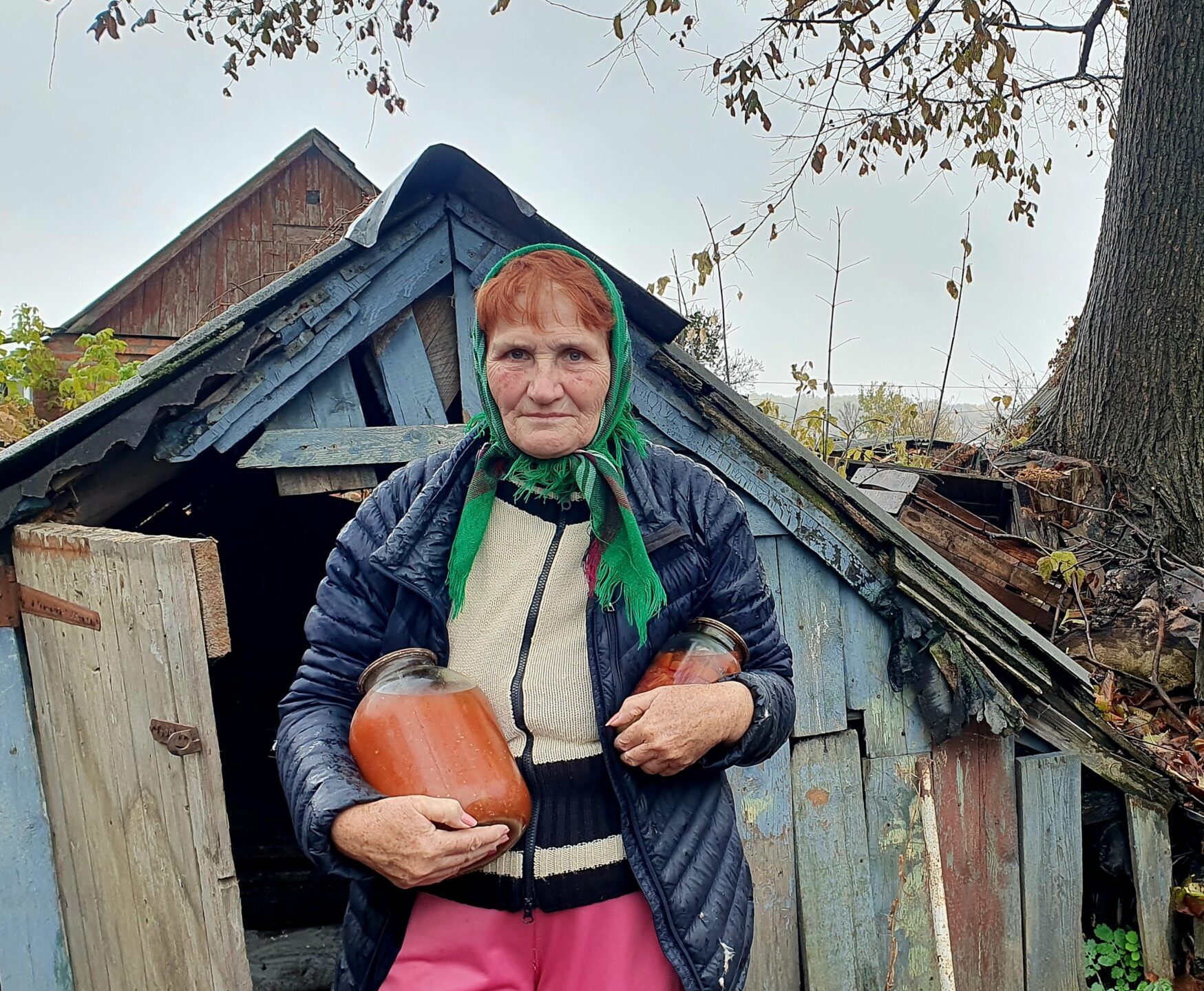
(Photo: Nadia in front of her cellar in Derhachi, Kharkiv, Ukraine. Photo courtesy of Corus International. Read the impact story here.)
We welcome the republication of our content. Please credit the Center for Disaster Philanthropy.
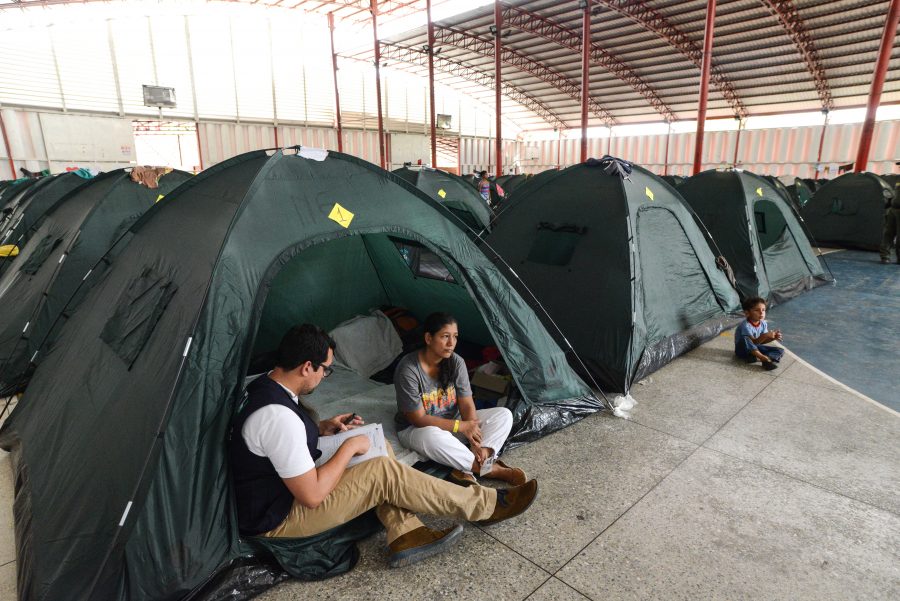
A complex humanitarian emergency (CHE) is a protracted crisis in a region that often includes political conflict, climate disasters and poverty. Consequently, mass suffering from problems like disease outbreaks, gender-based violence, hunger and displacement usually results.
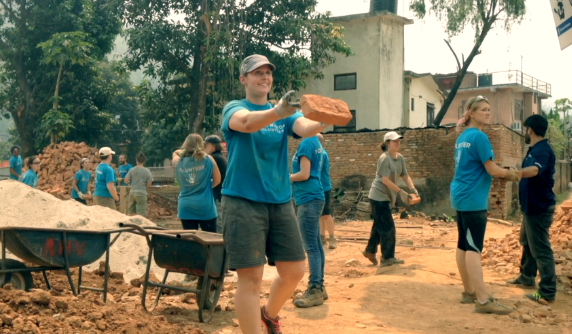
The Latin root of “resilience” means to bounce back, but every field has its own definition and most individuals within each discipline will define it differently. Learn more.
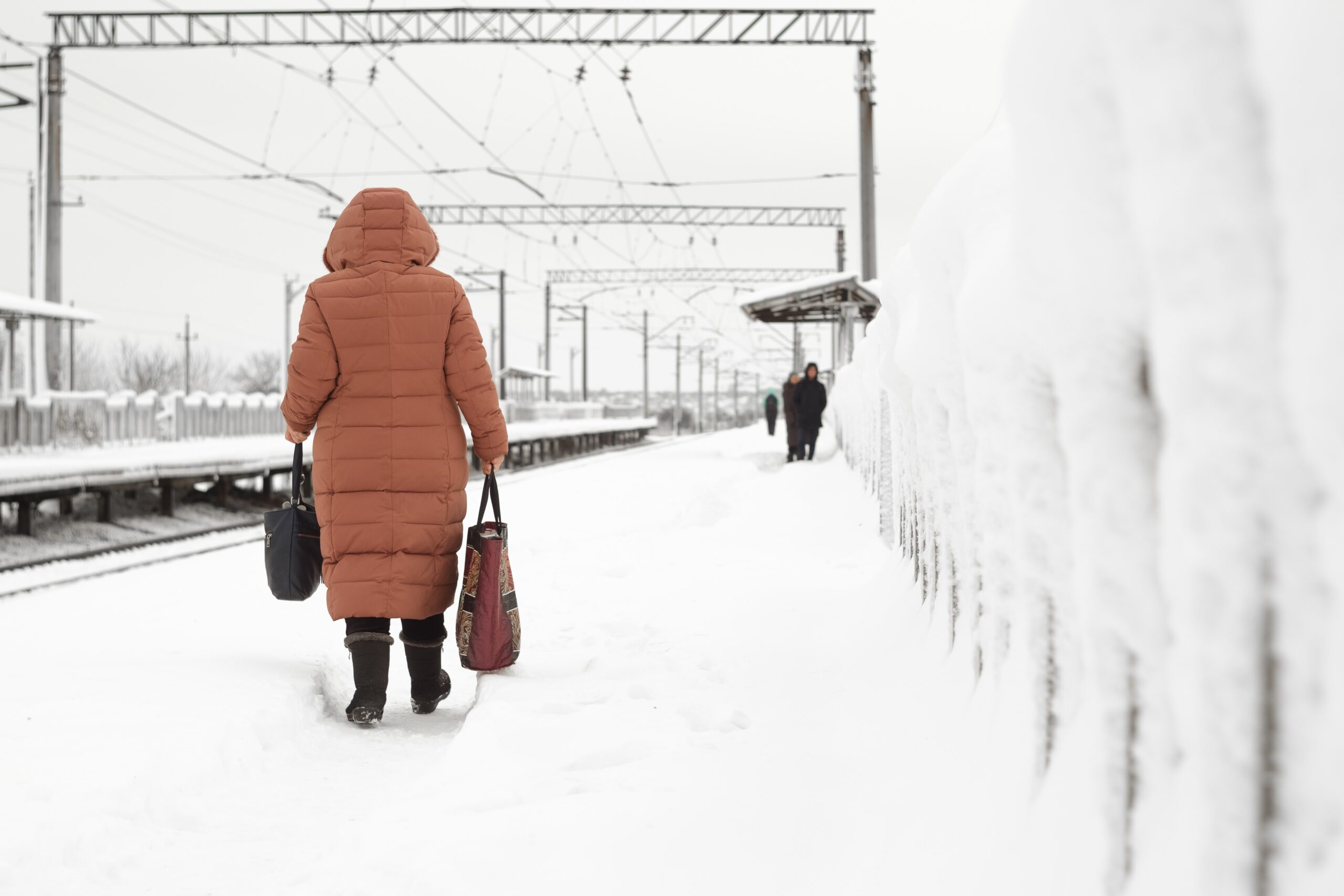
While it does not affect as many people as its opposite, extreme heat does, extreme cold can be just as deadly, especially in areas that are not accustomed to cold weather.